IPTV vs Roku Channel Free: Which Live TV Option Actually Works Better?
You've probably stumbled across the Roku Channel while scrolling through your device and noticed it offers free live TV. Meanwhile, IPTV services promise thousands of channels for a small monthly fee. So which one is actually worth your time? Let's break down the iptv vs roku channel free comparison honestly.
The Roku Channel is appealing because it costs nothing. But as with most free things, there are trade-offs. IPTV services cost a few dollars per month but deliver a dramatically different experience. Let me walk you through exactly what each one offers so you can decide for yourself.
Channel Selection: Roku Channel vs IPTV
This is where the biggest difference lies. The Roku Channel's live TV section offers around 300+ free channels. These are mostly ad-supported networks like ABC News Live, CBS News, NBC News NOW, and various lifestyle and entertainment channels. You won't find ESPN, HBO, Sky Sports, or most premium sports networks here.
IPTV services, on the other hand, typically offer 10,000 to 20,000+ live channels depending on the provider. This includes virtually every cable and satellite channel you can think of, plus international channels from 100+ countries.
| Feature | Roku Channel (Free) | IPTV (Paid) |
|---|---|---|
| Total Channels | ~300 | 10,000 - 20,000+ |
| Sports Channels | Very limited | Full lineup including ESPN, Sky Sports, beIN |
| News Channels | Good selection | Full 24/7 news from worldwide |
| International Channels | Minimal | 100+ countries |
| Premium Entertainment | Limited to free content | HBO, Showtime, Sky, and more |
| On-Demand Library | Movies and shows (ad-supported) | Massive VOD libraries (100,000+ titles) |
| 4K Content | Some titles | Extensive 4K channel and VOD selection |
The Ad Experience
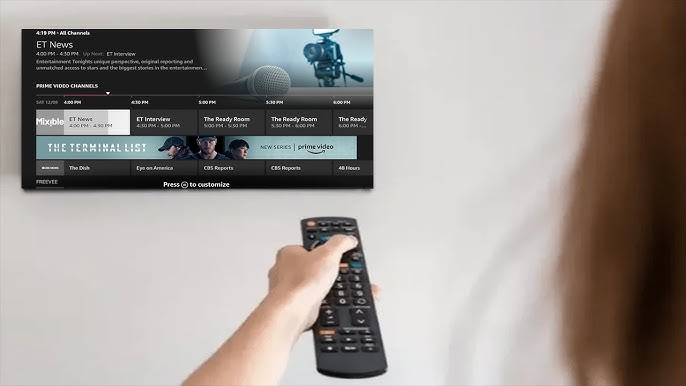
Here's where the Roku Channel's "free" model shows its true cost. Every few minutes, you're watching ads. During a one-hour show, you might sit through 15-20 minutes of commercials. That's a lot of time staring at advertisements for products you probably don't want.
Paid IPTV services typically have zero ads on live TV channels. You watch exactly what you'd see on cable or satellite without commercial interruptions.
Device Compatibility
The Roku Channel is obviously optimized for Roku devices, but you can also access it through the web, Samsung Smart TVs, and Fire TV. IPTV apps work on virtually everything: Firestick, Android TV, Apple TV, iPhone, iPad, Android phones, Windows, Mac, Smart TVs from every major brand, and more.
Want More Than What Free TV Offers?
Get 18,000+ channels with zero ads for just $4.58/month or $55/year.
When Roku Channel Makes Sense
The Roku Channel isn't bad for certain situations. If you rarely watch live TV and just want something on in the background, or if you're on an extremely tight budget, the free option works. It's also useful as a secondary option alongside IPTV.
Pros and Cons
Roku Channel (Free)
- Pros: Completely free, no subscription needed, decent on-demand library, good for background TV
- Cons: Lots of ads, limited channel selection, no major sports networks, minimal international content
IPTV (Paid)
- Pros: Massive channel selection, zero ads on live TV, full sports coverage, international channels, 4K quality, works on all devices
- Cons: Small monthly cost ($4.58/month), requires internet connection, quality varies by provider
Frequently Asked Questions
Is the Roku Channel really free?
Yes, it's completely free and supported by advertisements shown during content.
Can IPTV replace the Roku Channel entirely?
Absolutely. IPTV offers everything the Roku Channel does plus tens of thousands more channels without any advertisements.
What's the cheapest way to get IPTV?
Most quality IPTV services cost around $4.58/month or $55/year.
Do I need fast internet for IPTV?
For HD streaming, 10-15 Mbps is sufficient. For 4K content, aim for 25 Mbps or higher.
Can I use both the Roku Channel and IPTV?
Yes! Many people use both alongside each other.