Why Digital Nomads Need a Solid IPTV Setup
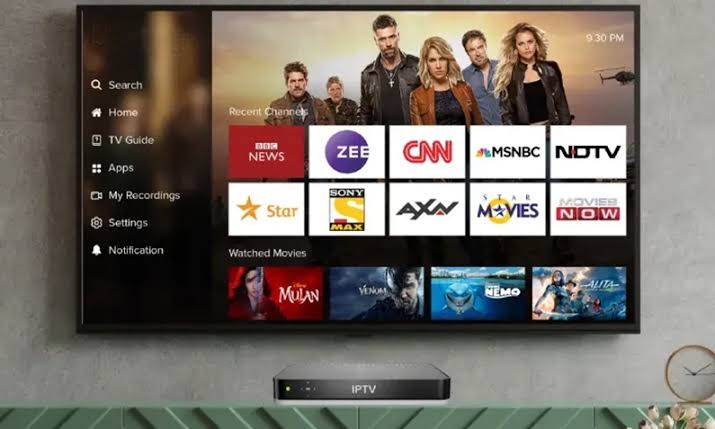
Living the digital nomad lifestyle means your home country feels farther away every month. But that does not mean you have to miss your favorite shows, sports, or news from back home. Setting up the right IPTV for digital nomads gives you access to home country television no matter where your laptop takes you, from cafes in Bangkok to co-working spaces in Lisbon.
Having lived and worked across multiple countries myself, I can tell you that IPTV has been the single best tool for staying connected to home entertainment. Here is the complete setup guide for nomads who want reliable live TV on the road.
Choosing the Right IPTV Service for Travel
Not all IPTV services work equally well across borders. The most important factor is server distribution. Choose a provider with servers in multiple regions. This ensures you get good streaming speeds whether you are in Southeast Asia, Europe, or Latin America.
Ask potential providers these questions before subscribing: Do your servers work internationally? Is the subscription tied to one IP address or can I use it from anywhere? How many simultaneous connections are included? For nomads, at least two concurrent streams are essential, one for your laptop and one for your phone.
Essential Hardware for the Road
Your hardware choices matter more when you are traveling. You need devices that are compact, power-efficient, and easy to set up in any accommodation. Here are the best options:
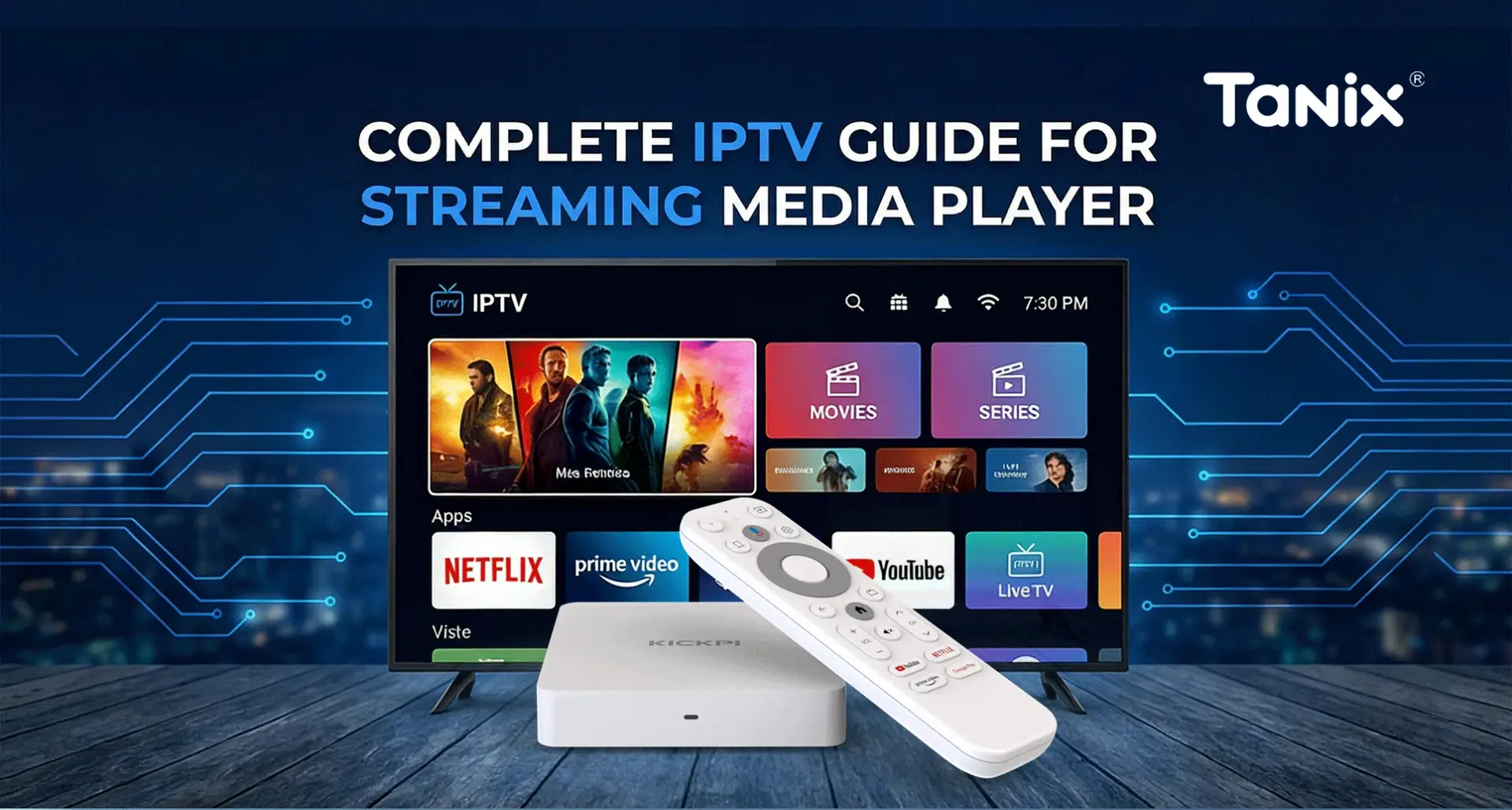
Amazon Firestick: The most portable option available. It is tiny, fits in your pocket, and plugs into any TV with an HDMI port. Most Airbnb and hotel TVs have accessible HDMI ports, making this the ultimate nomad IPTV device.
Laptop with VLC: Always carry your laptop. Install VLC Media Player and load your M3U playlist. This works anywhere you have internet, and you do not need a separate TV.
Tablet or Phone: Install IPTV Smarters on your Android or iOS device for the most portable viewing possible. Perfect for watching news in bed or catching sports while at a cafe.
VPN: Your Best Friend Abroad
A VPN is not optional for digital nomads using IPTV. It serves two critical purposes. First, it protects your streaming activity from public Wi-Fi networks in cafes, co-working spaces, and hotels. Second, it can help you access channels that may be geo-blocked in certain regions.
Choose a VPN with servers in your home country and the country you are currently in. NordVPN, ExpressVPN, and Surfshark all work well for IPTV streaming. Set up the VPN on your router at your accommodation so all your devices are protected automatically.
Device and Setup Comparison for Nomads
| Device | Portability | Setup Ease | Best For |
|---|---|---|---|
| Firestick | Excellent | Easy | Any TV with HDMI |
| Laptop + VLC | Always available | Very easy | Coffee shop viewing |
| Phone/Tablet | Best | Easy | Bed, travel, commute |
| Android TV Box | Poor | Moderate | Long-term stays |
Managing Internet Quality Abroad
Internet speed varies dramatically between countries and accommodations. In Southeast Asia, you might get 100 Mbps in one apartment and 5 Mbps in the next. Always test the internet speed before committing to long-term accommodation, especially if IPTV is important to you.
For lower bandwidth situations, configure your IPTV app to use lower quality streams. In TiviMate, go to Playback Settings and reduce the default stream quality to 720p. This prevents buffering on slower connections while still giving you watchable picture quality.
Staying Connected With Home Sports
One of the hardest things about traveling is missing live sports. With IPTV, you can watch NFL games from a beach in Bali or catch Premier League matches from a hostel in Berlin. The key is knowing the time zone differences and setting alarms for important matches.
Most IPTV services include sports channels from your home country. Add ESPN, Sky Sports, or whatever networks broadcast your favorite sports to your favorites list. Check the EPG to plan your viewing around the time zone differences.
Frequently Asked Questions
Can I use IPTV from any country?
Yes, most IPTV services work internationally as long as you have a stable internet connection. Using a VPN in your home country helps ensure the best performance and access to all channels.
How much data does IPTV use per day?
At HD quality, expect 1 to 3 GB per hour. If you watch 4 hours of IPTV daily, that is roughly 4 to 12 GB per day. Consider this when choosing data plans at co-working spaces or cafes.
What internet speed do I need for IPTV abroad?
Minimum 10 Mbps for HD, 25 Mbps for stable HD, and 50 Mbps for 4K. Always test the accommodation internet before booking long stays. Use speedtest.net to check upload and download speeds.
Should I carry my own router for IPTV?
A small travel router can help stabilize hotel Wi-Fi and create a personal network. GL.iNet makes compact routers that support VPN, which is perfect for digital nomads who stream regularly.